2027 SUZUKI GSX-R1000R TECH REVIEW
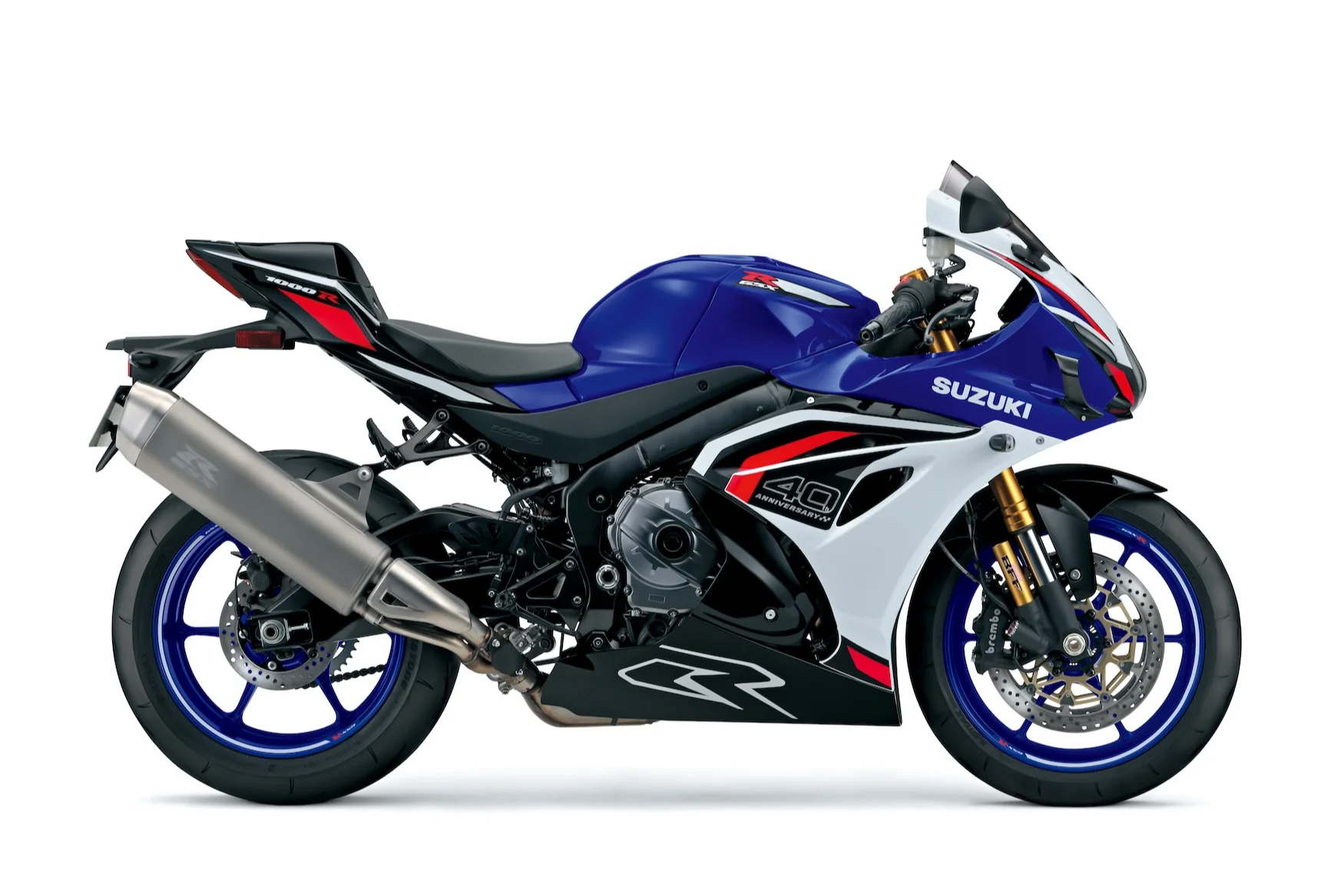
Through the exciting Sportbike years it was grand to read the new-model press releases. There I could see the truth of what the great racing manager, Gary Mathers, had once said; “The sportbikes of today would have beaten our Superbikes of ten years ago.”
Proof? Remember the 17,000 rpm 600s? Compression quickly soared above 12:1, with almost unbelievable power and torque – from bikes with headlights, bikes you could buy?
Today the market has changed. We are being more careful with money. The industry has designed bikes having fewer parts (the 270-degree parallel-twin middleweights) and costing less.
LOTS TO LEARN
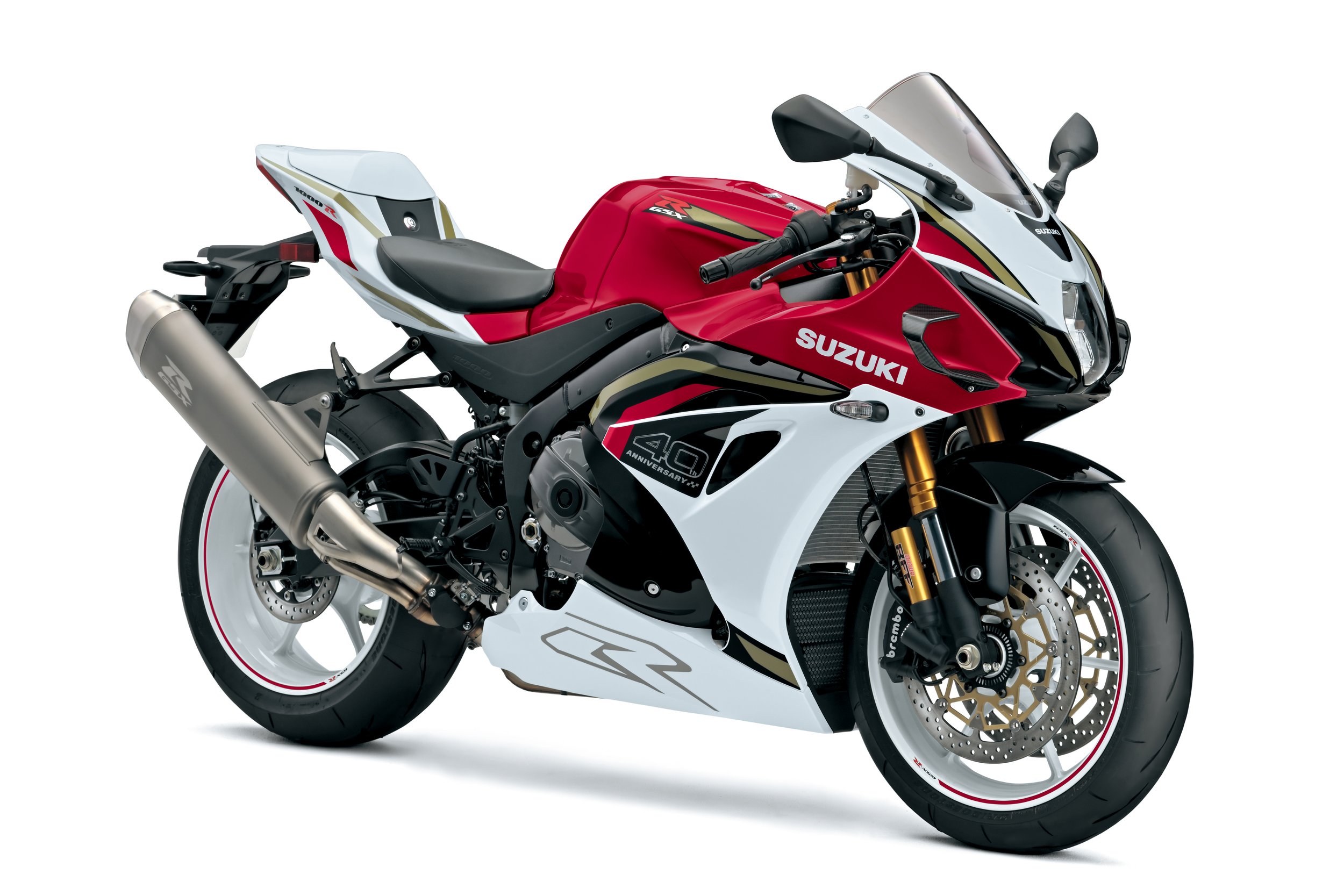
The release for Suzuki’s 2027 GSX-R1000 has lots to teach us because the problems facing today's bikes are conflicting. The old rush to higher performance gives way to riders wanting wider engine torque that’s easier to ride than the peaky sportbikes of 25 years ago. Meeting present emissions limits and retaining high performance isn’t easy. That makes this release fascinating to read.
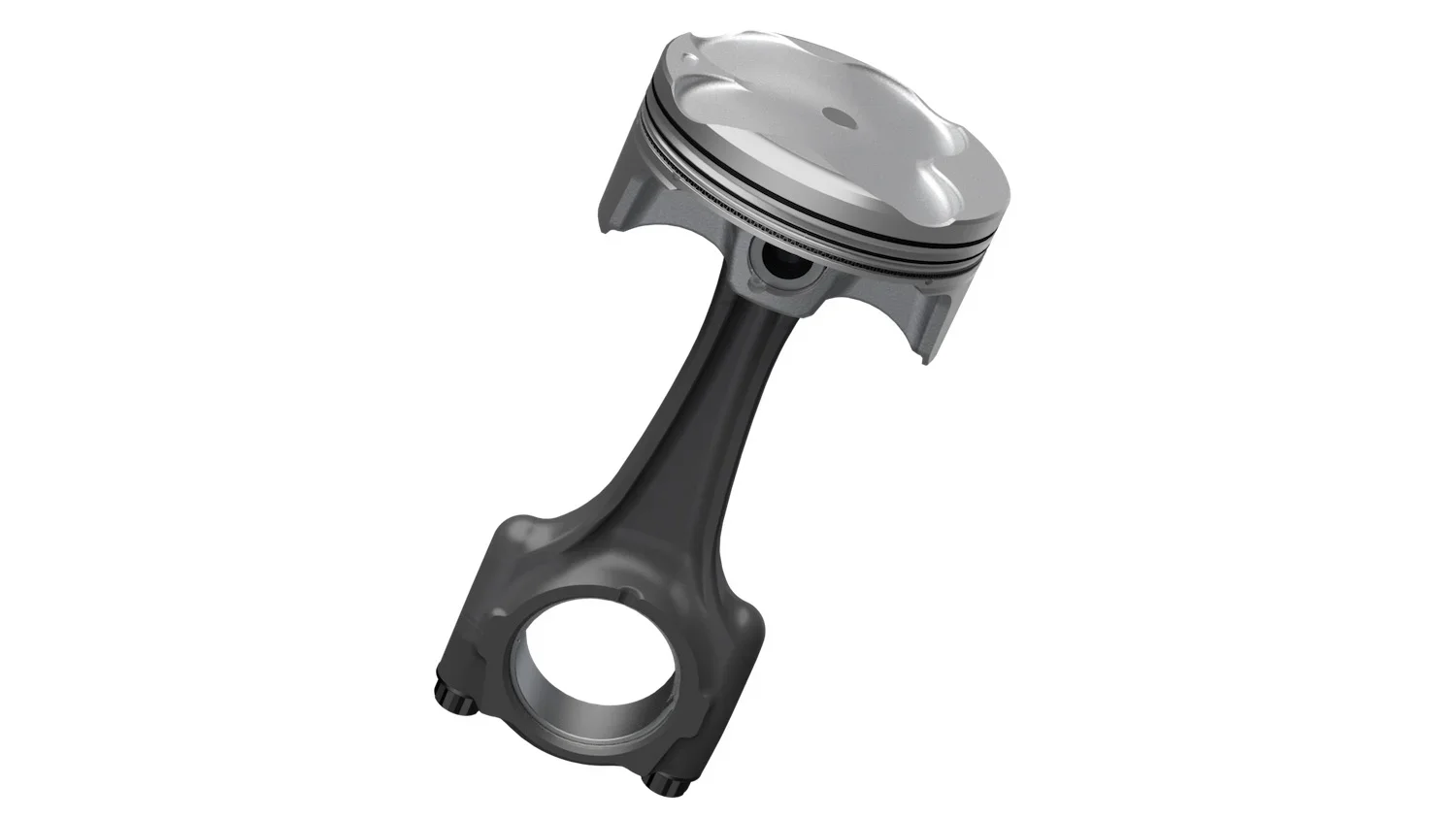
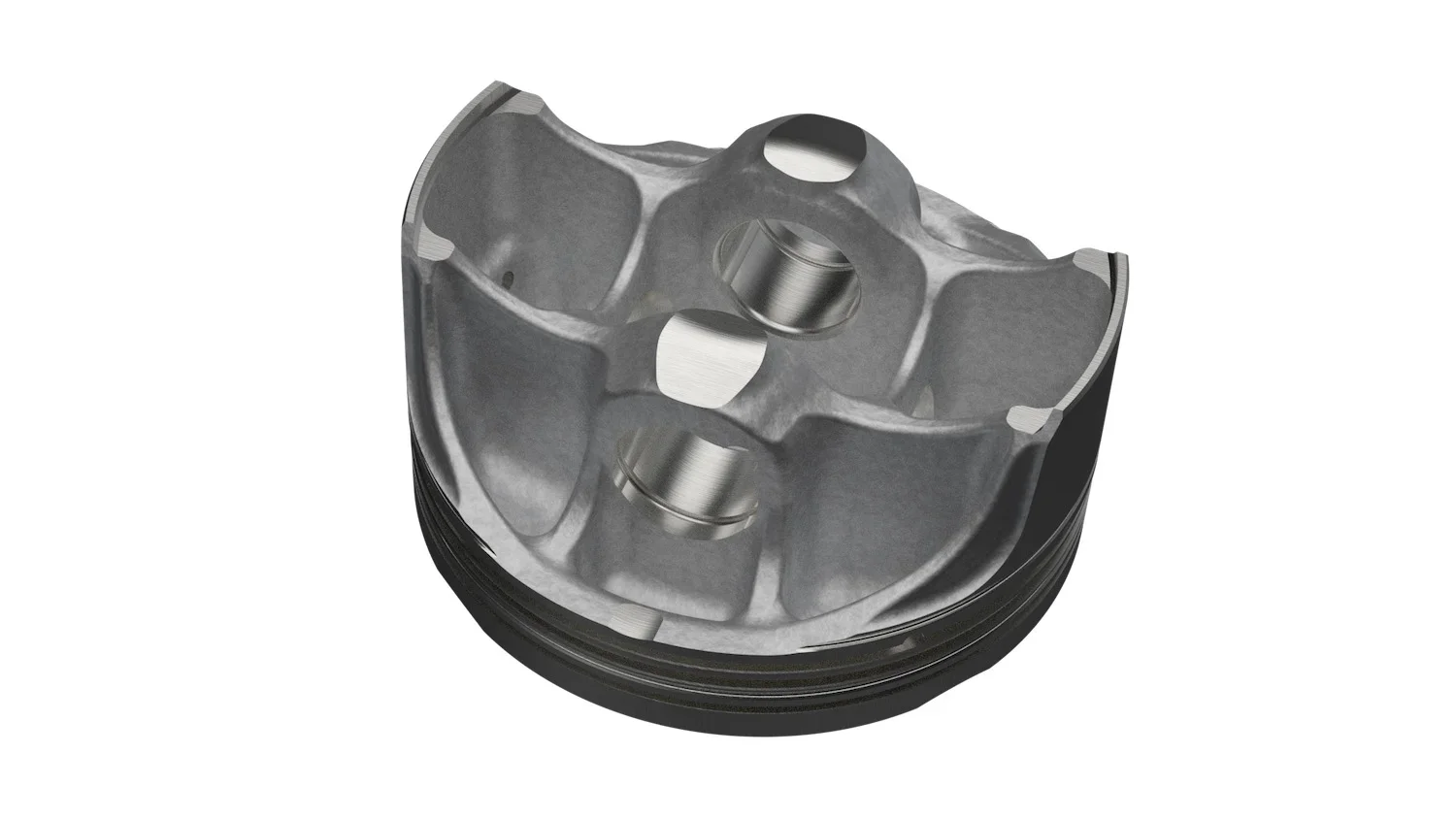
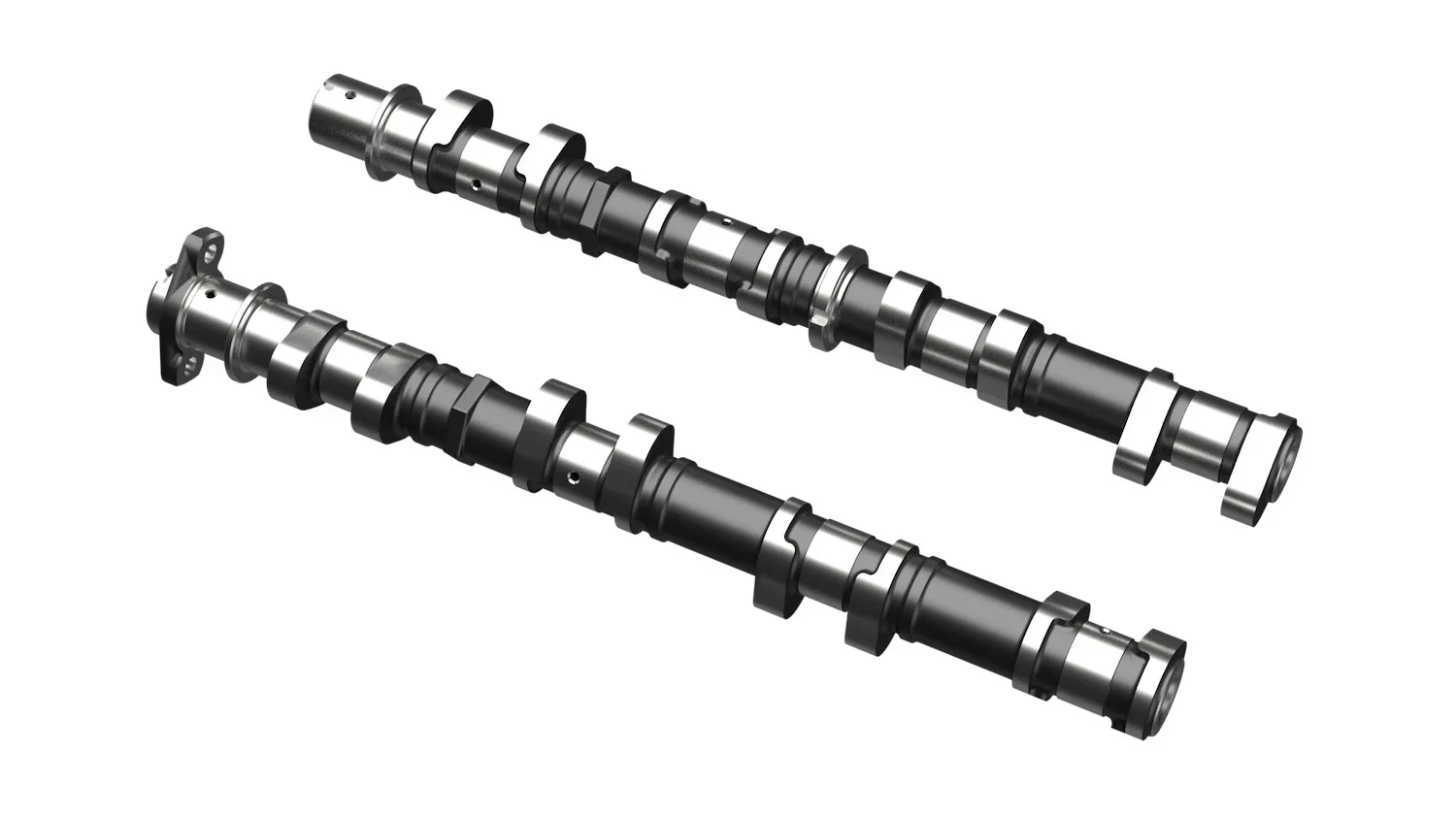
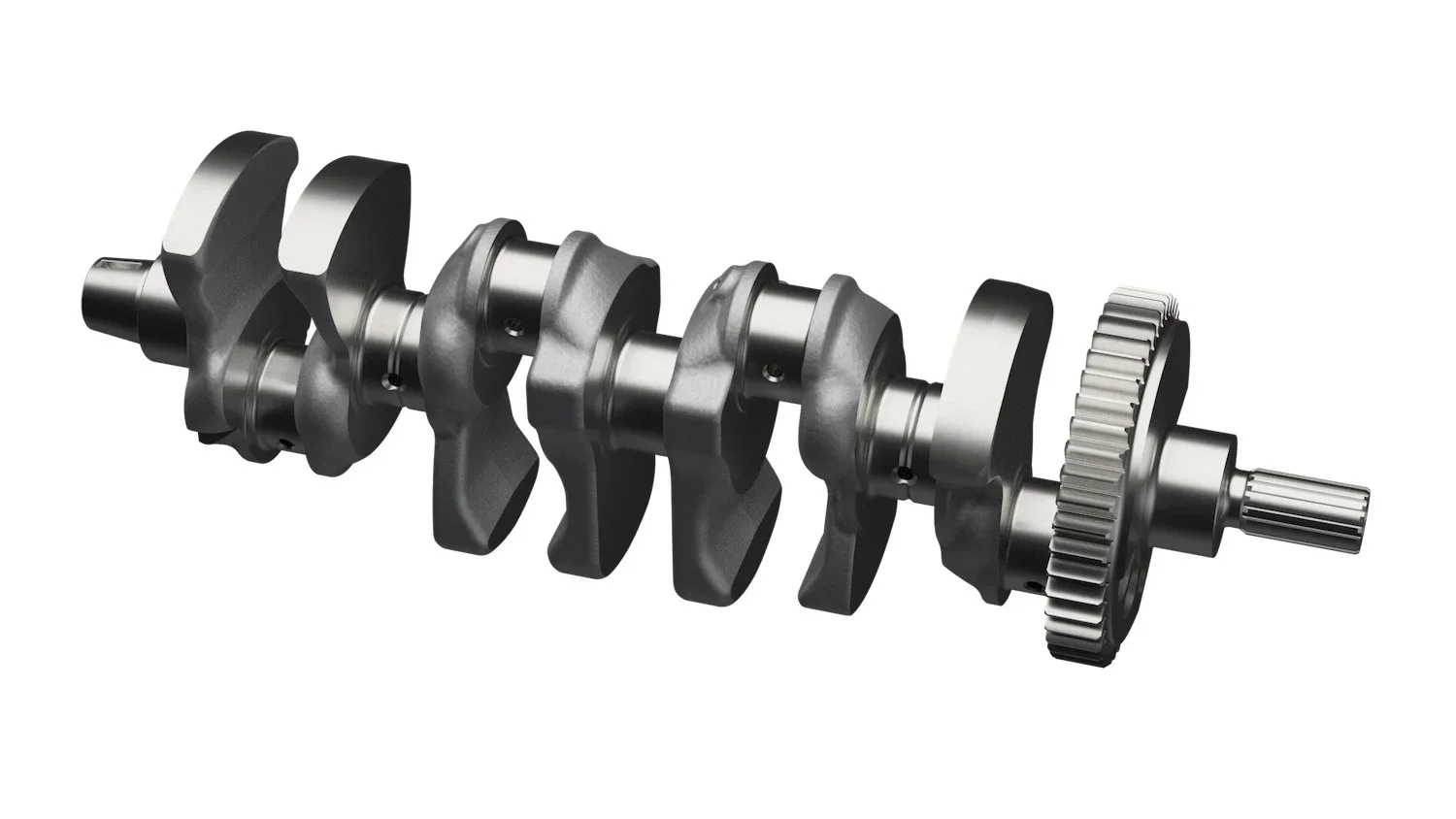
The basic specs of the engine are familiar because it is the engine introduced in 2017, with important updates. The changes are deep – the all-new cylinder head with its more streamlined and higher-velocity water passages, the stronger crankshaft with crankpin diameter increased from 35 mm to 37, main journals increased from 38 to 40 mm, and the crankcase changes needed for the new crank. There is a wider cam chain, suggesting higher valve accelerations.
Why make these changes now? The conventional explanation is, “to revise design areas that have been scheduled for a routine update.”
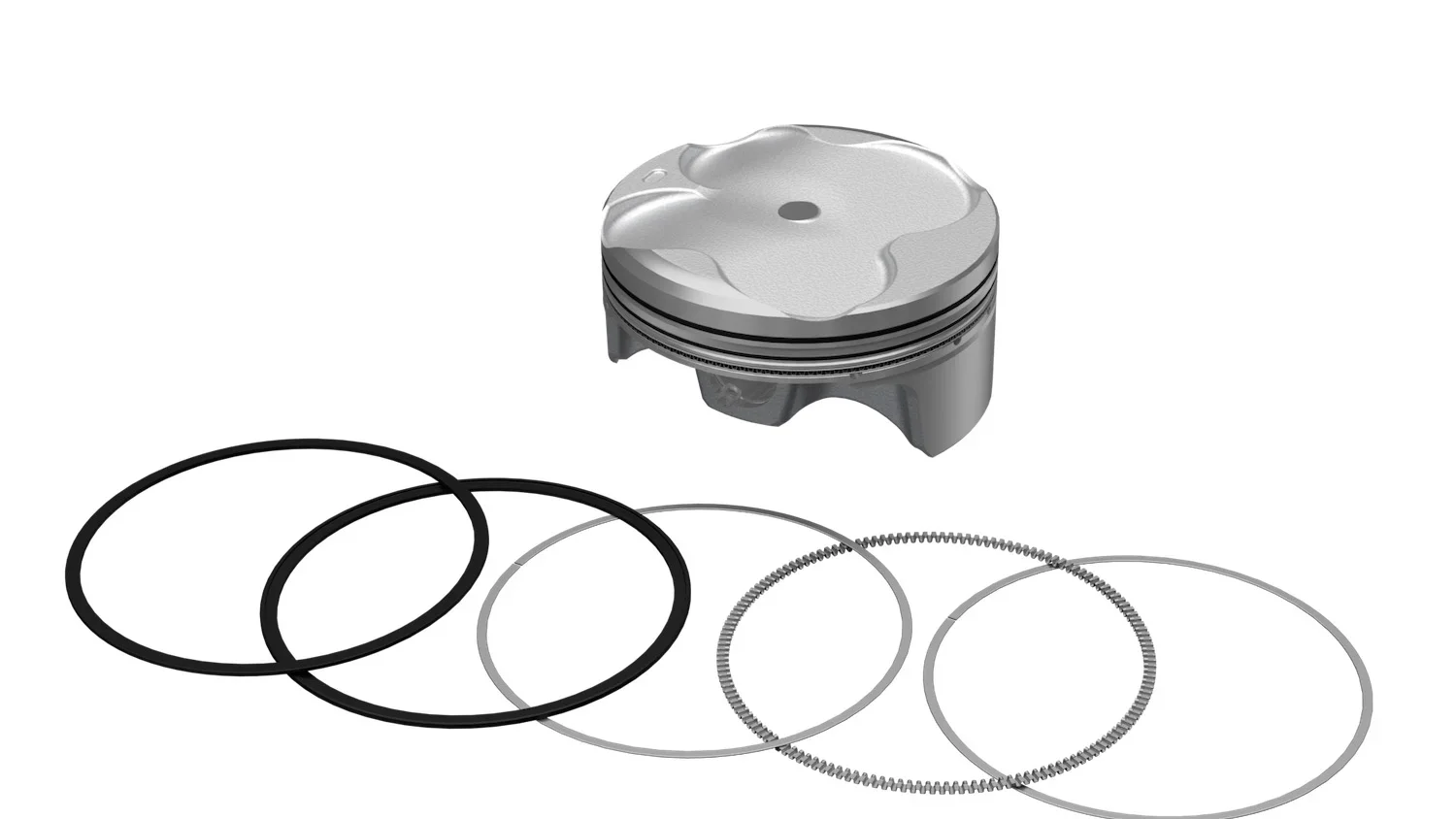
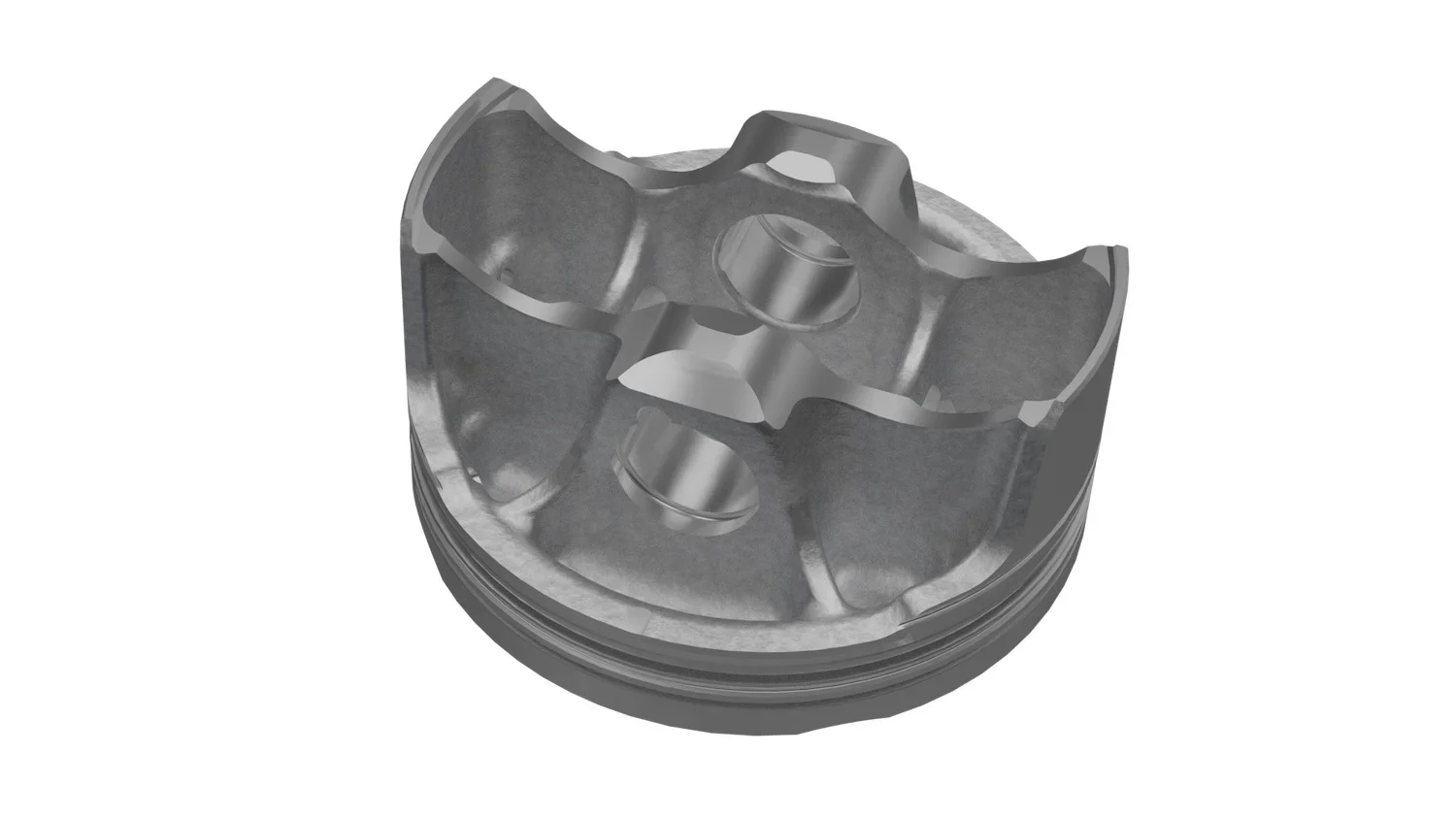
Just for fun, I remind you that such updates would also enhance reliability required in World Superbike racing. In today’s Superbike, the crank, con-rods, pistons and rings, cylinder head and more are homologated stock parts.
This engine’s bore and stroke remain 76 X 55.1 mm = 999.8 cc. Why not move closer to the 81 X 48.5 mm numbers of MotoGP, as some other constructors have done? Bore/stroke ratio is a compromise – a very large bore can make room for big valves that may boost top-end, but a smaller bore can burn more quickly and efficiently, with reduced emissions. What’s important to the rider is how well the chosen compromise works.
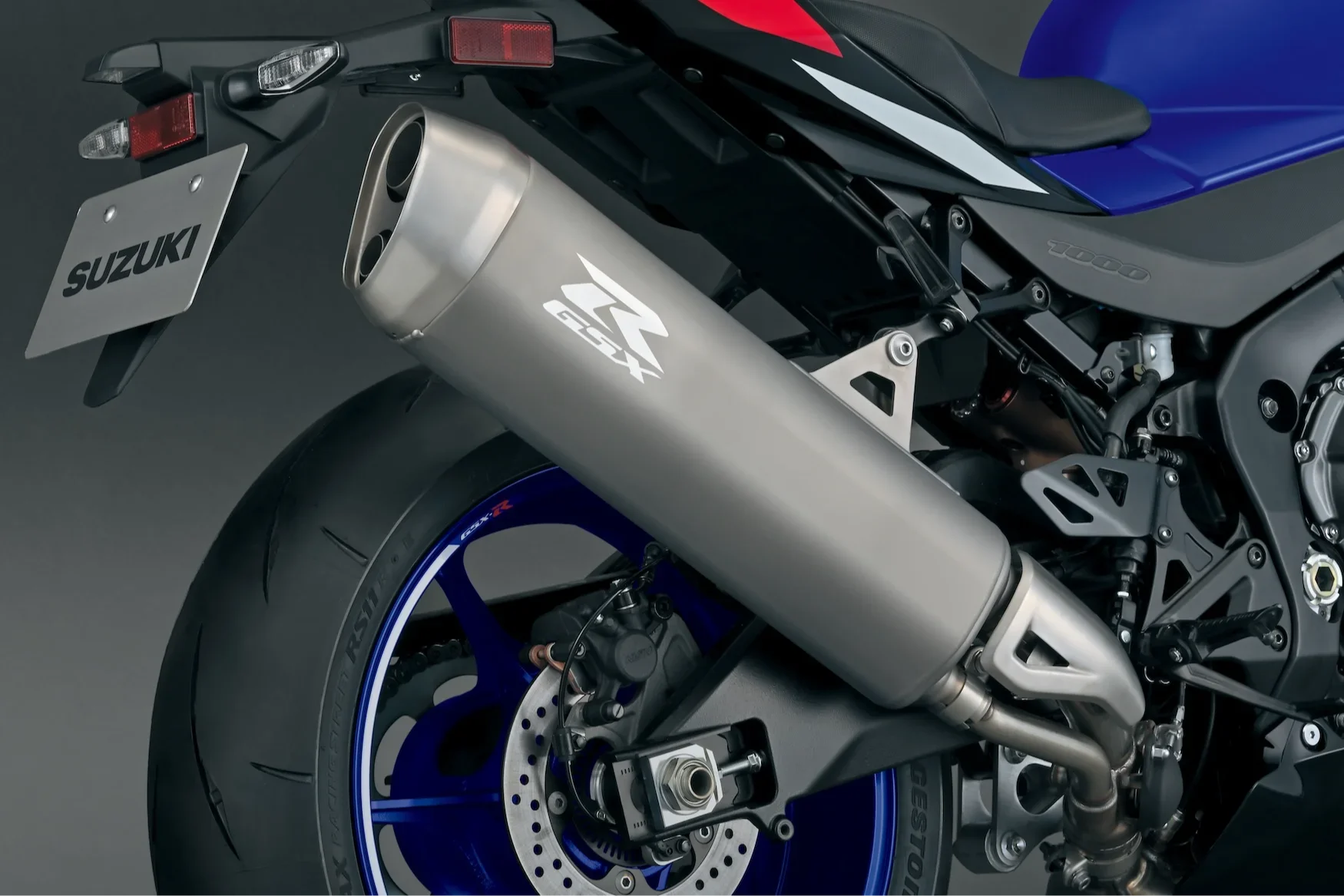
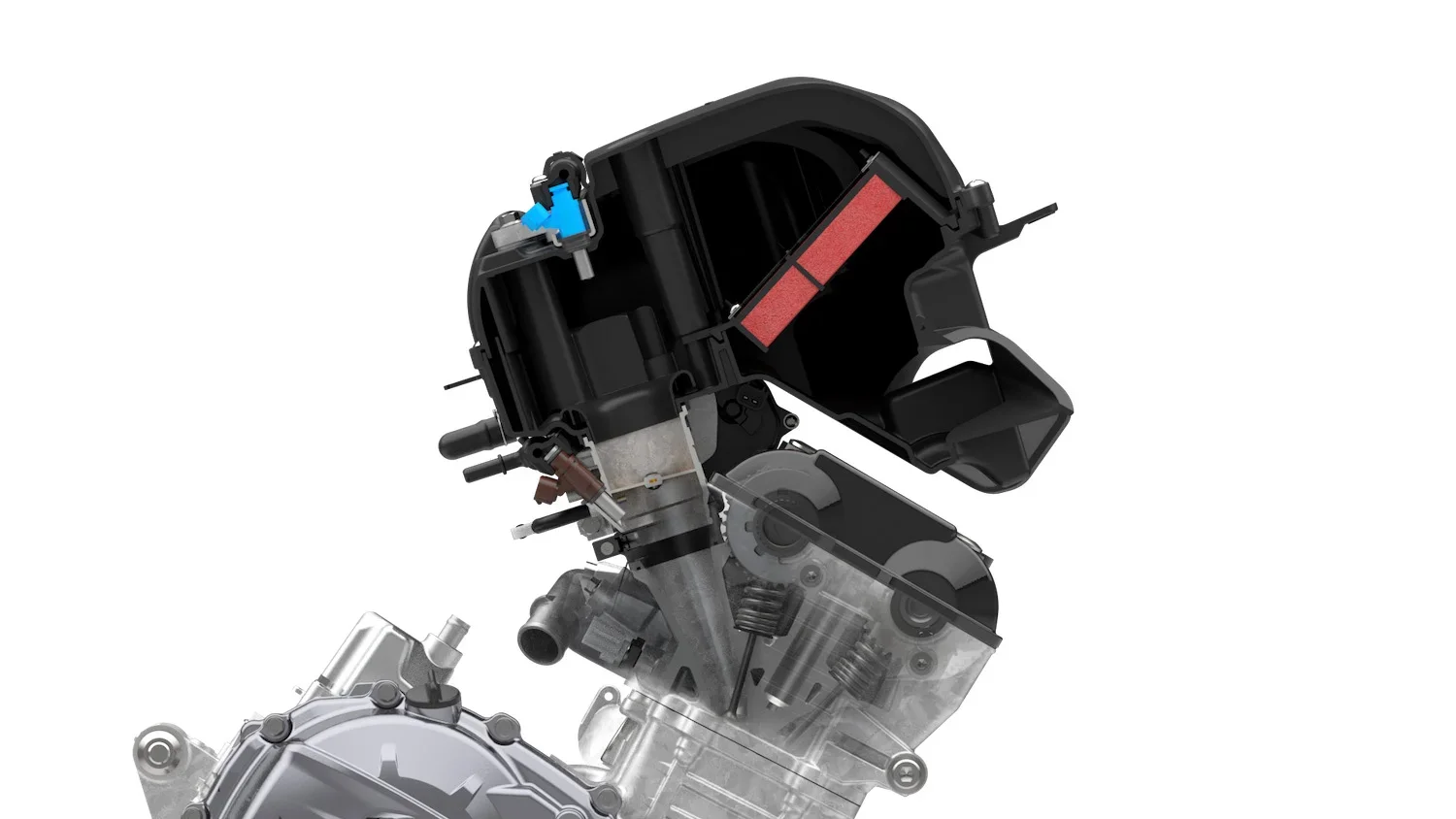
This bike meets EPA, CARB, and Euro 5+ emissions regulations. The Suzuki Diagnostic System (SDS-II) is adopted. A single oxygen sensor is located at the entry to the exhaust catalyzer, to monitor air-fuel mixture. The ECU uses that information to maintain the air-fuel ratio that the exhaust catalyst needs for best operation.
Are you shocked to learn that this classic machine’s 199 hp @ 13,200 has taken a 6.6 hp hit? Just be glad it isn’t the hit Yamaha accepted – to demote their super-performance models to track-day-only status. Then look at the torque curve, wide and strong, peaking at 81.1 lb-ft @ 11,000 rpm but extending far below.
Sportbikes have always been the backbone of Suzuki’s business, so they had to meet current emissions standards.
LOTS TO LEARN
The release for Suzuki’s 2027 GSX-R1000 has lots to teach us because the problems facing today's bikes are conflicting. The old rush to higher performance gives way to riders wanting wider engine torque that’s easier to ride than the peaky sportbikes of 25 years ago. Meeting present emissions limits and retaining high performance isn’t easy. That makes this release fascinating to read.
The basic specs of the engine are familiar because it is the engine introduced in 2017, with important updates. The changes are deep – the all-new cylinder head with its more streamlined and higher-velocity water passages, the stronger crankshaft with crankpin diameter increased from 35 mm to 37, main journals increased from 38 to 40 mm, and the crankcase changes needed for the new crank. There is a wider cam chain, suggesting higher valve accelerations.
Why make these changes now? The conventional explanation is, “to revise design areas that have been scheduled for a routine update.”
Just for fun, I remind you that such updates would also enhance reliability required in World Superbike racing. In today’s Superbike, the crank, con-rods, pistons and rings, cylinder head and more are homologated stock parts.
This engine’s bore and stroke remain 76 X 55.1 mm = 999.8 cc. Why not move closer to the 81 X 48.5 mm numbers of MotoGP, as some other constructors have done? Bore/stroke ratio is a compromise – a very large bore can make room for big valves that may boost top-end, but a smaller bore can burn more quickly and efficiently, with reduced emissions. What’s important to the rider is how well the chosen compromise works.
This bike meets EPA, CARB, and Euro 5+ emissions regulations. The Suzuki Diagnostic System (SDS-II) is adopted. A single oxygen sensor is located at the entry to the exhaust catalyzer, to monitor air-fuel mixture. The ECU uses that information to maintain the air-fuel ratio that the exhaust catalyst needs for best operation.
Are you shocked to learn that this classic machine’s 199 hp @ 13,200 has taken a 6.6 hp hit? Just be glad it isn’t the hit Yamaha accepted – to demote their super-performance models to track-day-only status. Then look at the torque curve, wide and strong, peaking at 81.1 lb-ft @ 11,000 rpm but extending far below.
Sportbikes have always been the backbone of Suzuki’s business, so they had to meet current emissions standards.
CHASSIS
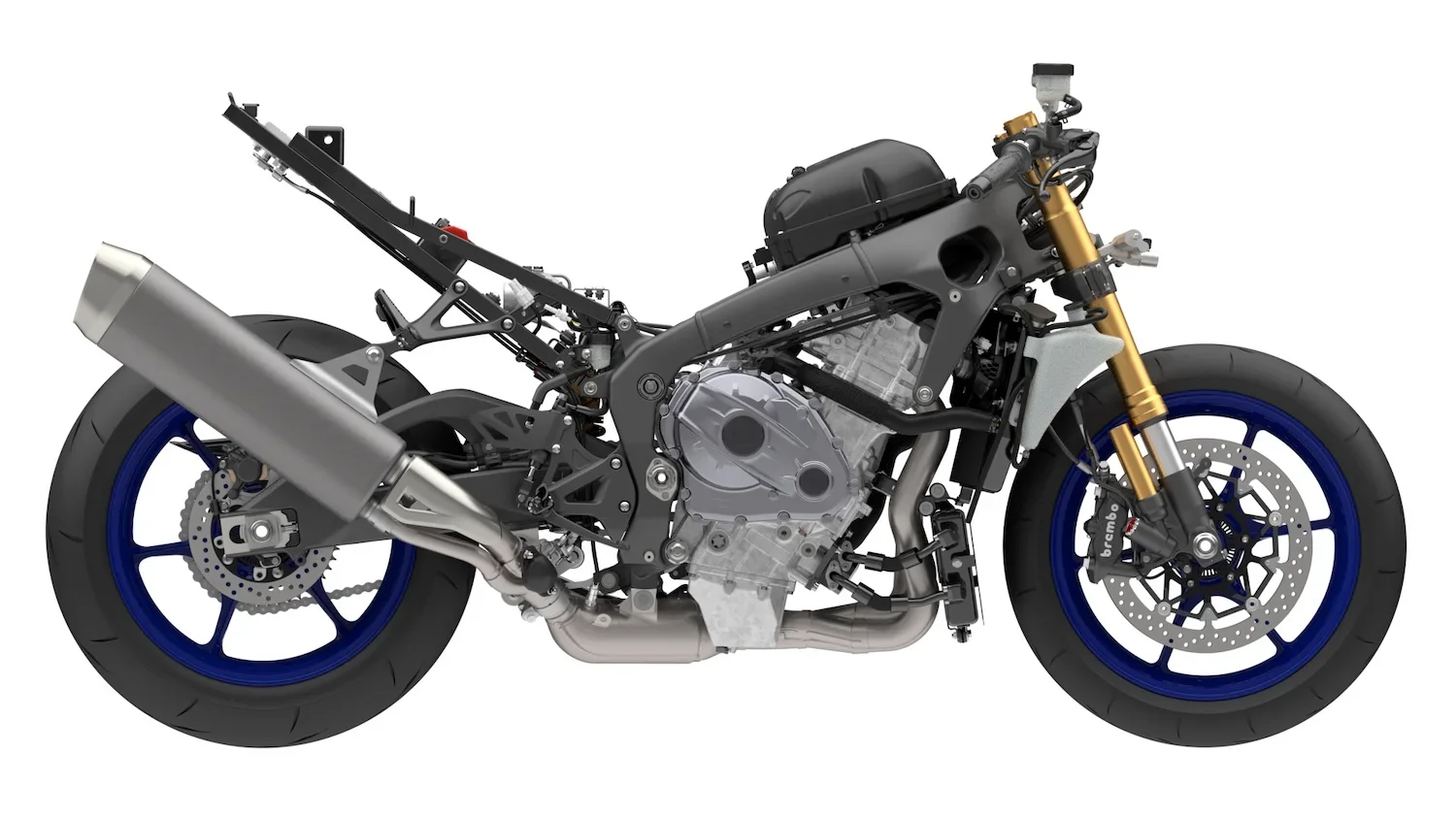
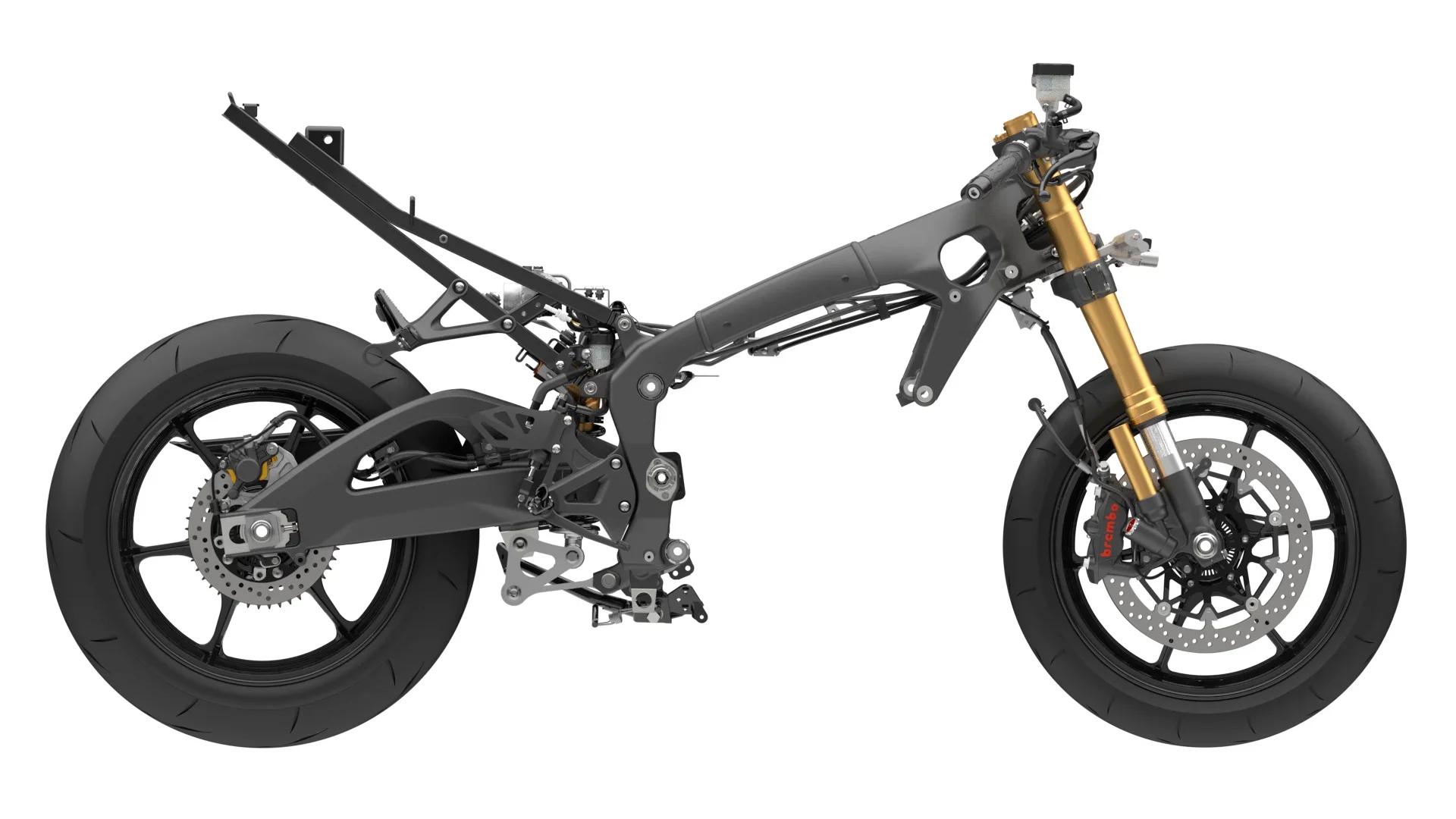
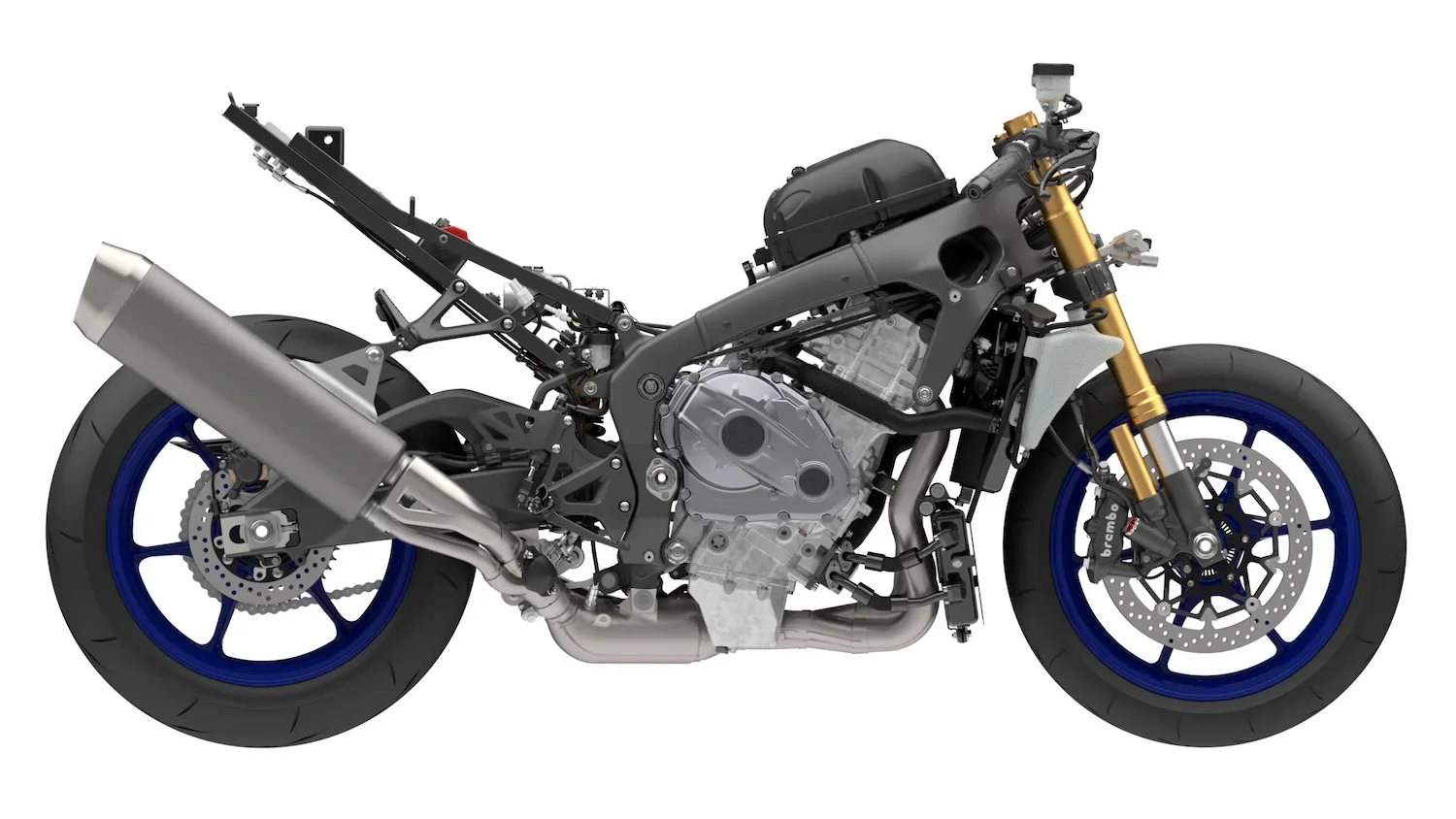
Now the chassis - a twin-spar aluminum design of a type widely used for the last 35 years. But notice how slender it has become. For years, chassis stiffness was the goal, but around 2002 it became clear that too much stiffness reduced tire grip in corners. Engineers have explored the role of lateral chassis flexibility at high lean angles in corners. A bit of flexure lets tires track up and down over bumps, rather than skipping from crest-to-crest, losing grip from ‘air time.’ The greater a bike’s lean angle, the less functional its conventional suspension becomes. Chassis still need to be stiff in torsion (twisting) and longitudinal bending for stability.
Wheelbase is just under 56 inches – short enough to steer quickly, long enough to achieve fast acceleration without the bother of too-easy wheelies. Claimed weight is 448 lb. When Suzuki originally created the GSX-R series in 1985, their 750 was roughly 100 lb lighter than the competition. Lighter weight acts like increased horsepower. Make a bike lighter and it accelerates faster. Yes please.
The swing-arm is top-braced to prevent in-corner wheel tilting, and there is an option making its pivot height on the frame adjustable. Important mainly in racing, this can optimize use of drive-chain tension to prevent squatting in the rear during acceleration off corners. Rear squat, by taking weight off the front, leads to front-end “push,” or understeer. These are effects that become important near the limit in racing, but I like to know about them anyway.
A Showa Balance Free Front (BFF) telescopic fork of outer upper tube type (aka “upside-down” or OUT) is mounted at a 23 1/3 degree rake angle, with 3.74 inches of trail. BFF refers to a modern arrangement of the elements of the suspension dampers. In olden times the damping fluid control valves (aka washer stacks) that controlled compression and rebound damping forces were located internally, requiring complete disassembly of the unit to reach and alter the washer stacks (for suspension tuning). In the new design, the washer-stacks are mounted outside the damper cylinder and the damper piston carries no valving. On compression, it pushes damper fluid through the external compression stack. On rebound it pushes it through the rebound stack.
Rear suspension is of linkage type using a single Showa damper, also of BFF type.
Suzuki have used Showa BFF on this bike since 2017, but what’s important here is that there has been continuous development in suspension dampers for decades, as engineers strive to quiet the complaints of riders with better and better damping control – smoother, without sudden jerks or thumps as cavitation bubbles in the damper oil collapse or valve transients occur.
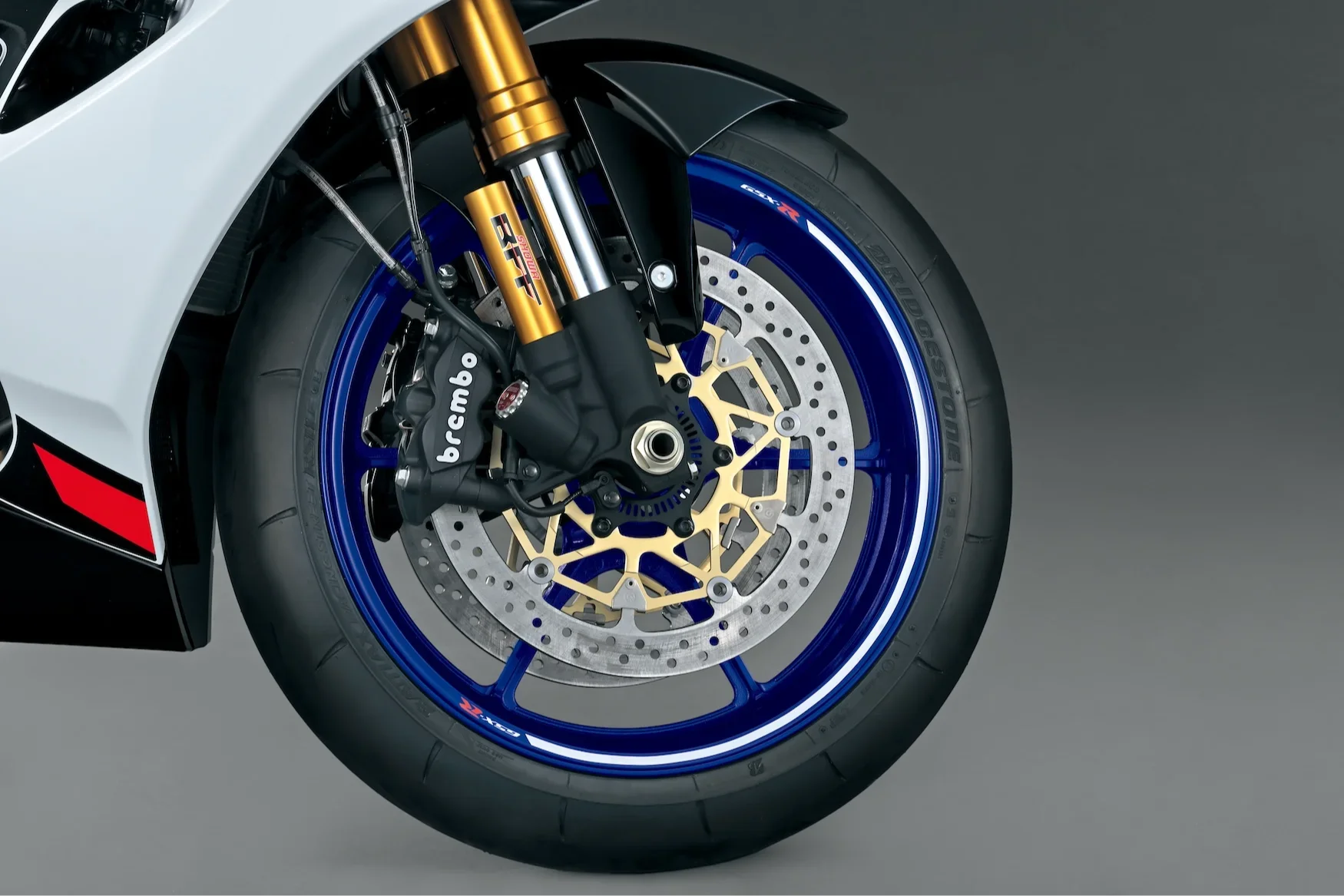
Front brakes are Brembo, with twin floating-mount 320 mm discs. Brembo’s T-Drive floating disc mount was developed for racing, but because it produces some clatter (like plate-jingle in a racing dry clutch) a hybrid system is adopted, consisting of five T-Drives and five conventional spring-loaded (anti-clatter) pin mounts on each disc. Brake discs are given such floating mounts to allow expansion from brake heat to occur without disc distortion.
The front brake calipers are radial-mounted monoblock construction (meaning machined from a single metal billet, not two halves bolted together) and contain four 32 mm pistons each.
As usual, a single disc is used at the rear.
Wheels are 17-inch six-spoke cast aluminum. Why not mag wheels? Aluminum is a bit heavier but more durable in the long term. Race teams run their mag wheels a certain number of miles, then replace them – one element in a strict schedule of parts replacement that makes race bikes finish races.
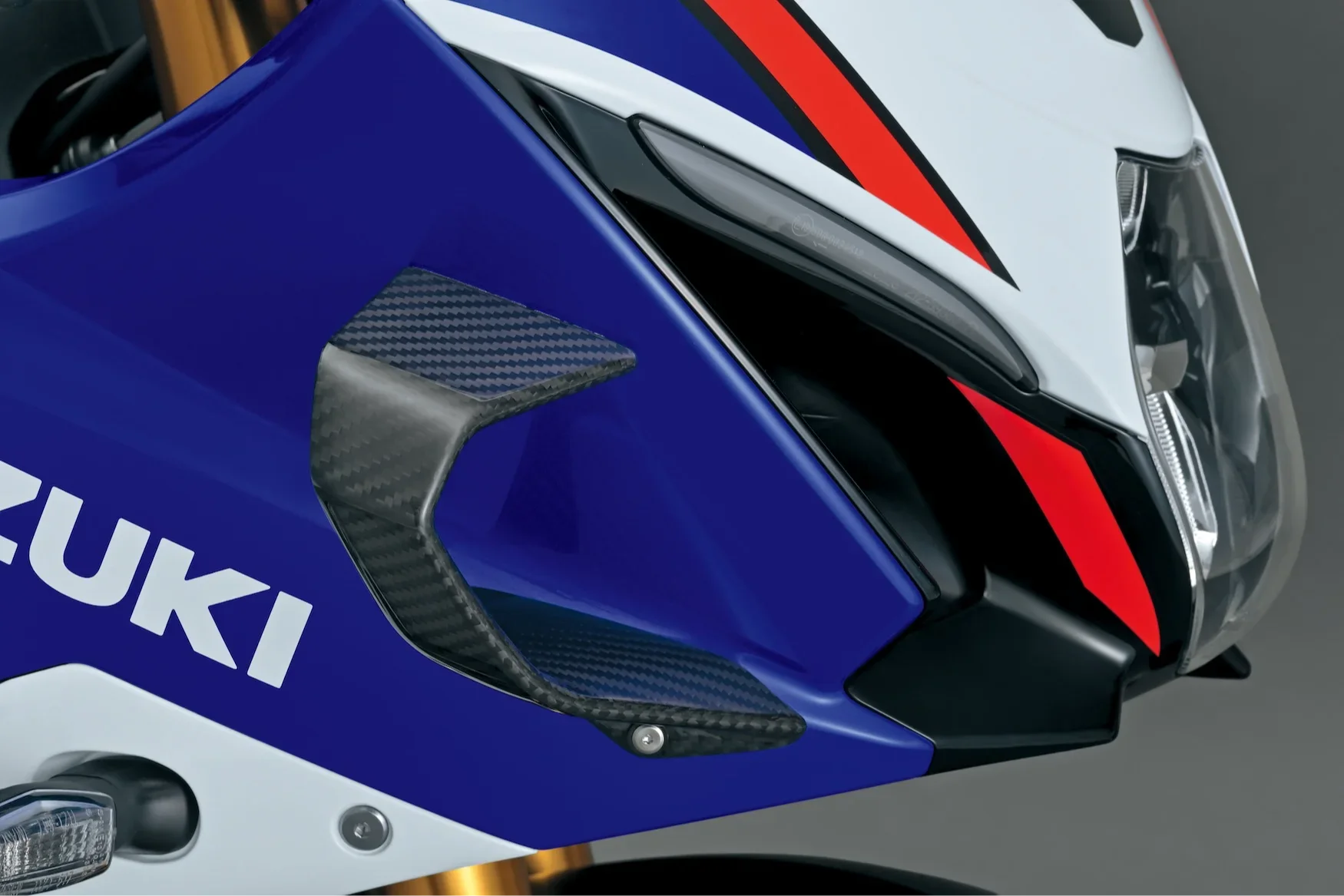
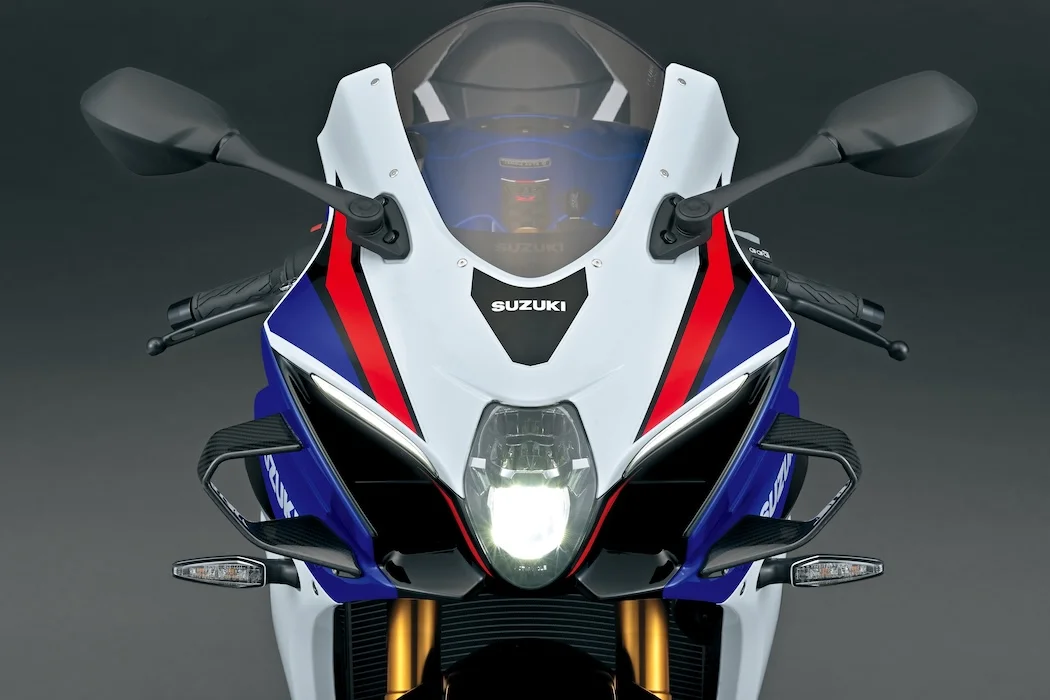
The fairing is of the same design as used in the 2024 Suzuka 8-Hour endurance race. It is made of conventional materials but the optional MotoGP-style winglets (standard on GSX-R1000RS) on the sides of the fairing nose are of carbon fabric, pre-impregnated with the correct volume of resin – so-called “dry carbon” or “pre-preg.” Such winglets produce downforce to overcome the tendency of race bikes to become light at the front at very high speeds. No rider wants that “floaty feeling” at speed.
ELECTRONIC RIDER AID SYSTEMS
I want to talk about function here, so I will keep company acronyms to a minimum.
Just as happened in jet aviation during the 1950s and ‘60s, riding powerful motorcycles presents conditions in which the human operator could use some help. As the Suzuki info puts it, such systems aim “to make the GSX-R1000R more controllable, predictable, comfortable, and competitive.”
Specific control problems of early jets were at first given analog “patches” but eventually everything was unified into a single digital flight control system. This took years. This transition is now occurring in motorcycling.
Every manufacturer of powerful bikes offers similar systems, and all of them are ultimately based on control enhancements originally created in MotoGP to solve specific problems.
ENGINE MODE CONTROL – Just as racers “switch maps” to better fit power delivery to rain or mass properties altered by fuel burn, so different engine modes such as Sport, Normal, and Rain (Suzuki calls them “Active, Basic, and Comfort”) are offered to street riders.
SMART TLR CONTROL - Applied for the first time on a GSX-R this system aligns the responses of traction control (TC), anti-wheelie (LIFT), and roll torque control (RT) to the TC mode selected by the rider.
TRACTION CONTROL – This seeks to limit loss of performance or control caused by wheelspin. Suzuki Traction Control System offers ten levels of intervention, plus OFF. Today such systems have gained sophistication by including an Inertial Measuring Unit to measure lean angle, acceleration, &c. In MotoGP sensor data are used with a computational algorithm to continuously estimate the loads on front and rear tires.
ANTI-WHEELIE SYSTEM – As Valentino Rossi once put it, “The wheelie is the enemy.” Why? First, if the front tire lifts off the pavement, control is lost. And second, the higher the front wheel lifts, the less hard the bike can accelerate. This is why you’ll see the front tires of drag bikes barely lift off the pavement at launch. They are maximizing acceleration.
ROLL TORQUE CONTROL – With the bike rolled over to a high angle-of-lean in a corner, tire grip available for acceleration is limited by how much is already being used for turning. Traction control is reactive – it does nothing until tire slip is detected, then reduces drive torque to restore grip. That’s not much fun in mid-corner. Torque Roll Control is therefore predictive – it limits throttle opening to what the predicted available grip can handle.
Lean-angle-sensitive ABS is just the reverse of Roll Torque Control. It limits brake torque to the grip that the tire is not already using for cornering. Ever wonder why anti-lock braking is abbreviated as ABS? I did. Since it was the Germans who brought ABS to market, we use their description – Antiblockiersystem.
LAUNCH CONTROL – Those great practitioners of the standing start, Jay Gleason and Randy Renfrow, simplified their task by pinning the throttle and controlling the launch with just the clutch. If the engine bogs, a little pressure on the clutch lever brings the revs back up. If the front end comes up, the remedy is the same – a little pressure on the clutch lever brings it down. This works because it simplifies the rider’s control task - to just the clutch.
With very powerful engines it’s impractical to pin the throttle, so the launch control system “holds the engine at the ideal rpm for an effective launch.” You can hear Pro Stockers hold that start-line rpm as the tree comes down. The system also uses the anti-wheelie function to prevent a sudden wheelie from forcing the rider to close the throttle (which spoils the run).
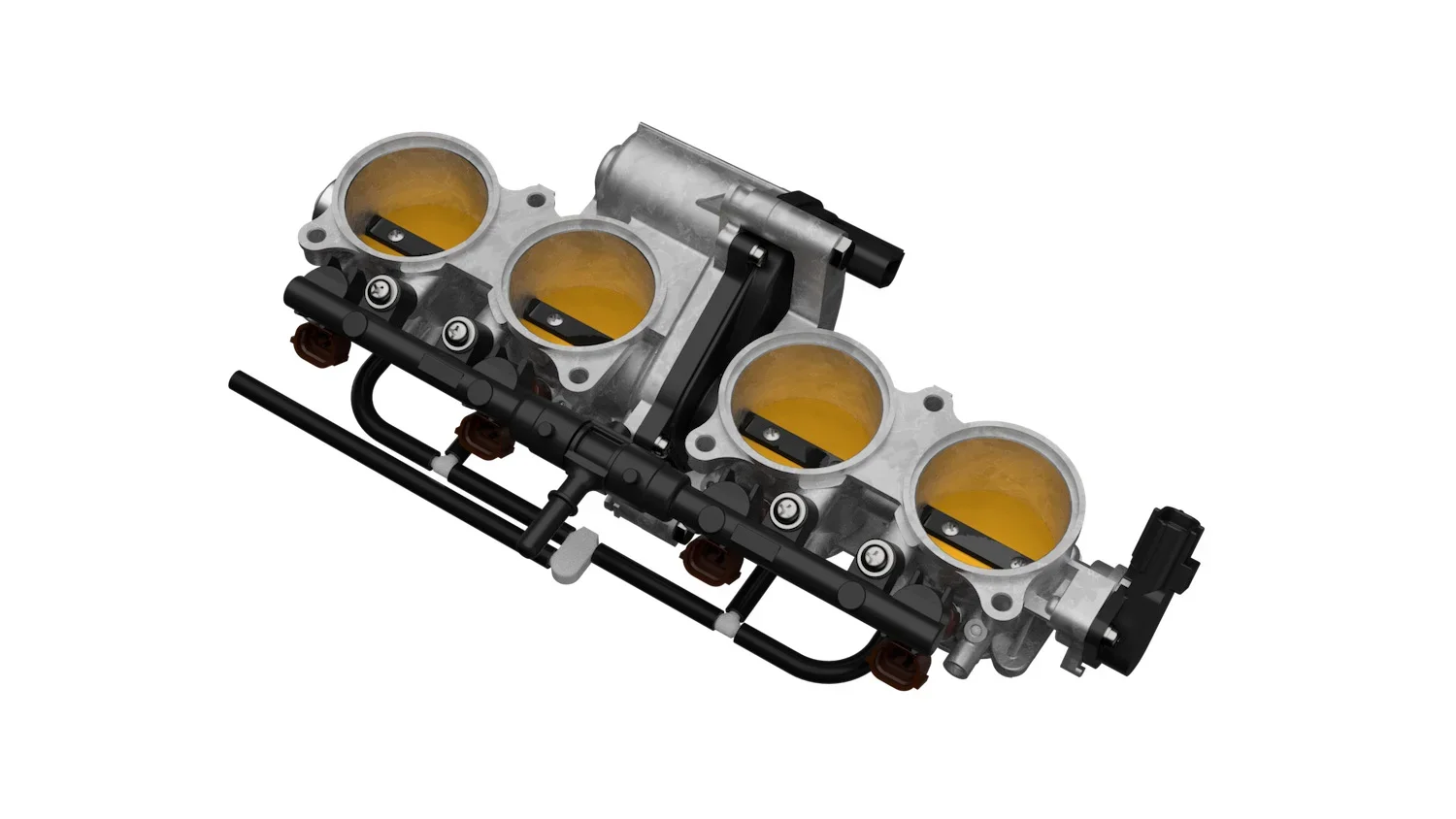
RIDE-BY-WIRE ELECTRONIC THROTTLE SYSTEM – This was the real revolution. For years, engine development was stuck between two extremes. Going for all there its produces peaks and valleys in the torque curve. Peaks can cause sudden spin, and valleys can delay your drive while others pass and wave. So the rule was, build the engine for smooth.
Traction control works by trimming off the peaks. Kevin Schwantz, back in the 500 two-stroke GP days, was famous for trying to do this himself- turning the throttle backward as the accelerating engine hit a peak. But how can we fill in the valleys?
Motorcycle engines spend very little time on full throttle. That made the answer obvious. We’ll disconnect the throttle plates from the rider, and put the ECU in between. We’ll treat the rider’s throttle angle as a torque demand. As the bike accelerates off a turn and encounters a torque dip, the ECU will open the throttle plates by stepper motor just enough to maintain that torque right through the dip.
This is called “Virtual powerband” because the smooth acceleration the rider now feels is the result of letting the ECU quickly throttle up or down to deliver the smooth torque the rider requests. The bare engine still has its peaks and dips, but torque smoothness comes actively from the system. Tires love torque smoothness. Think of your throttle plates, invisible in their throttle bodies, fluttering to keep torque smooth. Makes me think of video of a carrier aircraft’s horizontal tail, fluttering up and down during approach to help the pilot pick up that third wire.
This meant that engine builders no longer had to build smoothness into the engine at some sacrifice of power, but could pretty much go for max and let the system do its thing. More power, but now with driveability.
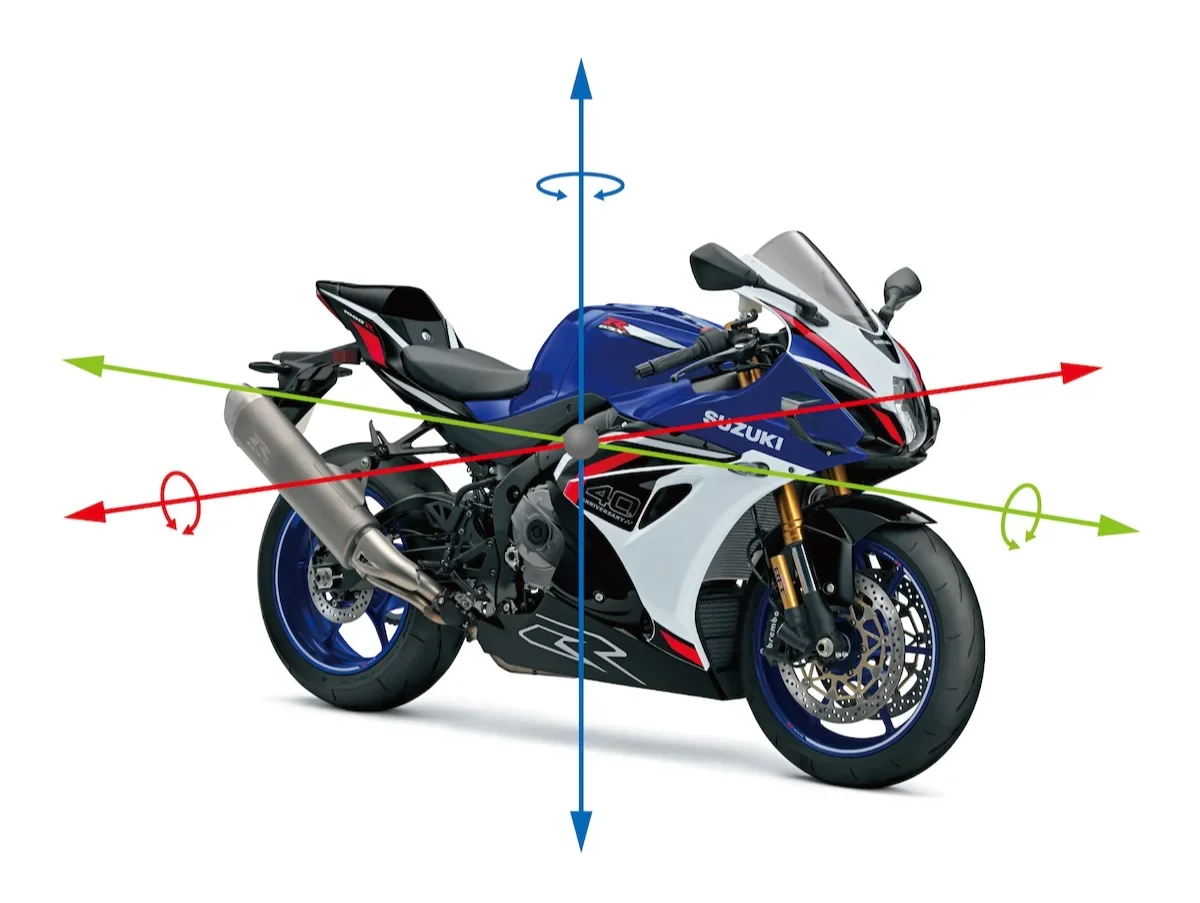
Once the throttles were positioned by stepper motor, controlled by the ECU, all kinds of control enhancements became possible. And when the IMU – inertial measuring unit – was added, it meant that such refinements as braking adapted to cornering, or going up or downhill, could easily be added. Moving toward that digital flight control that was pioneered during NASA’s Apollo program.
The installed Bosch IMU is the accessible modern solid-state version of the inertial guidance systems for spaceflight developed at MIT’s Instrumentation Lab (“I-Lab”). The IMU can tell the vehicle carrying it where it is in space, what its attitude is, and its angular rates, velocities and accelerations in x, y, and z coordinates. Nice stuff.
BI-DIRECTIONAL QUICK SHIFT SYSTEM (QS) – This allows the rider to shift up or down without operating the clutch lever or throttle. During upshifts, the first movement of the shift pedal cuts engine power for a measured instant, unloading the gears to make a clean upshift. For down-shifting, riders formerly matched gearbox shaft speeds by briefly de-clutching and blipping the throttle. The QS system makes this unnecessary.
Remember – electronic rider aids operate only as the rider chooses – from zero effect through increasing levels of intervention.
Powering all of this is a Li-ion battery adopted. It is lighter than the traditional lead-acid type and is said to have “an expected ten year life span.” It has the Li-iron phosphate cathode familiar to users of cordless power tools. Low self-discharge allows long-term storage. It cannot be retrofitted to earlier models.
Electronic systems reduce rider workload, saving concentration for strategic decision-making.